
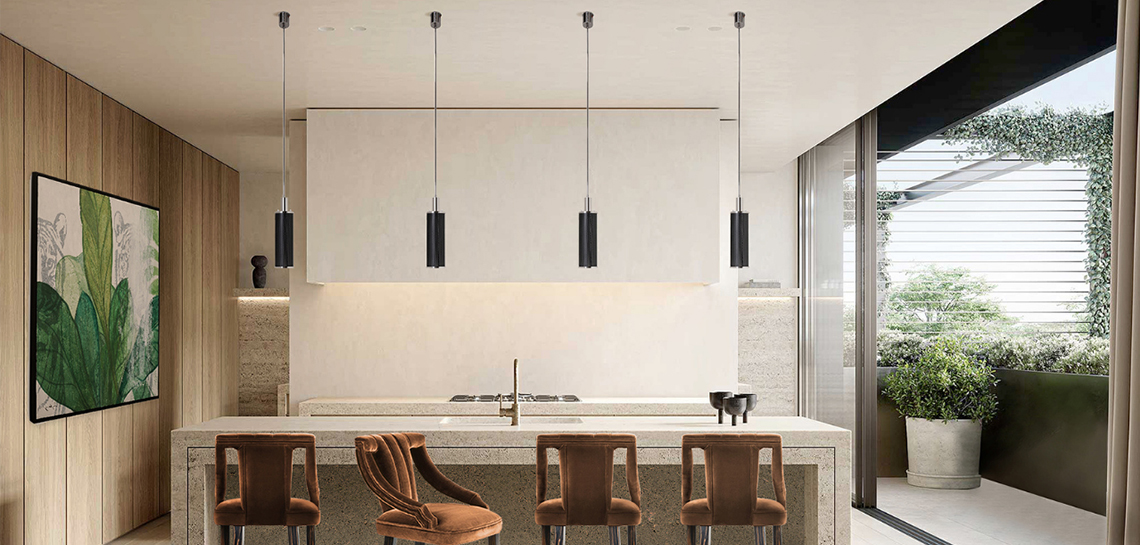
Lighting up your life
In a special space, lighting is what establishes atmosphere and identity. Before guests notice furniture or buildings, what they feel is space, and lighting generates that space.
In hospitality, lighting has become one of the most effective elements in shaping the experience. The moment one steps into a hotel lobby, a restaurant, or a private suite, the first thing that introduces ambience, from calm to drama, from elegance to intrigue, is lighting.
Effective lighting is never self-serving. Rather, it directs traffic patterns and accentuates texture through light and shadow.
Contemporary luxury is about understatement. Precision, the strategic use of lighting to emphasise architecture, soften transitions, and define moments, is preferred to excess. A sculptural chandelier placed above a reception desk defines the arrival. A warm, layered lighting effect in a dining room transforms socialising into a ritual.
In a home, good lighting is curation, not construction. The key distinction in excellent lighting design is its purpose, not its intensity. Shadows are just as important as lights. Contrast is important for creating depth, but its absence is important for revealing form, texture, and material quality.
Lighting becomes architecture
Manipulating experience over time, responding to movement, and changing perception without obtrusion. Lighting in high-end hospitality serves to convey identity.
Lighting conveys an ethos of refinement, poise, and calm. The lighting might never be directly noticed in a space, but it’s felt. A space is noticed not for its mass, but for its balance, its consideration, and its completeness.
Upmarket interiors are increasingly shifting from generic design to tailored ones. Customised lighting enables spaces to be designed with intent: statement spaces in common areas, overlaid ambient illumination for lounges and suites, and sculptural pieces that double as art.
This enhances design and ensures that it remains current and timeless. In domestic spaces, the same tenets apply. Lighting determines the manner in which an environment of living will be experienced, the manner in which the morning, the evening, the architecture of the night, is revealed.
At its core, lighting is about feeling rather than seeing. When done well, light becomes invisible, in the very best of ways. And extraordinary interior spaces often showcase light that defines space rather than merely illuminates it.
Share this: